
The Plotting Writer’s Map
How I outline without losing my creative spark

Let’s be honest: A lot of people think outlining is the literary equivalent of assembling IKEA furniture. Too many steps, too many oddly shaped pieces, and a strong likelihood of tears. Because you want your stories to feel alive and unpredictable. Like you’re discovering them in real time. Surely an outline would strangle the magic, right?
Spoiler: it doesn’t. (In fact, the magic gets better. Like a good soup the day after you make it. More on that later.)
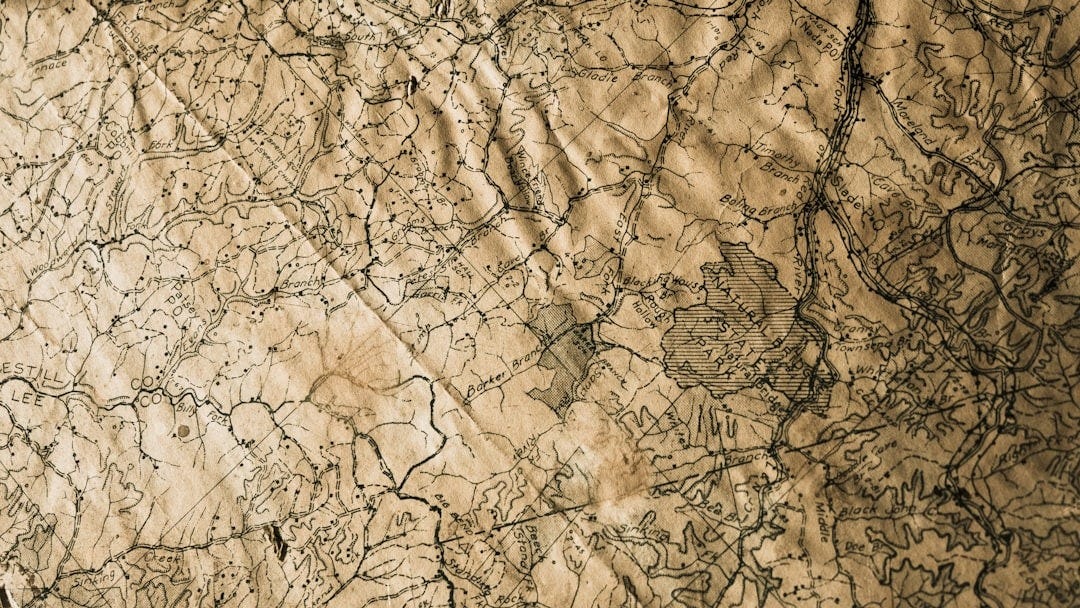
Outlining doesn’t have to be a rigid, creativity-killing spreadsheet. It can be a map. A hand-sketched, coffee-stained, treasure-hunt sort of map. The kind that leaves space for "Here Be Dragons" in the margins
The Big Myth About Outlining
Writers often treat plotting and pantsing like two rival high school cliques. The Plotters sit in the front row with color-coded binders. The pantsers are in the back row with mysterious coffee stains on their shirts and a “trust the process” tattoo.
But I’m here to tell you that you can be both. You can have the structure of a plot and the thrill of discovery. Because the outline isn’t the story. It’s a map. You can still wander through the woods and find unexpected waterfalls.
My Method: The Layered Expansion Method
If you’re looking for a structured, customizable approach that still leaves room to breathe, this is the one I use, and it’s saved me from more plot dead-ends than I can count.
Here’s how it works:
1. Start with the 7 Major Plot Points – Think of these as the major cities on your map. They’re your story’s anchors.
2. Add Bridge Scenes – Between each major city, add one scene that would logically connect them. These are your highways.
3. Zoom In – Once the highways are in place, go back and add smaller connecting roads: extra scenes, emotional beats, subplot moments, and surprises.
4. Layer Until Confident – Keep filling in details until you have enough to begin writing, or enough to keep you from wandering into a swamp of plot holes.
Think of it like zooming in on a map. First you chart the major cities (your plot points), then the highways (your connecting scenes), and finally the smaller roads (your emotional beats, subplots, or twists). This way, you’re never lost, but you’re also not paving every possible road before you even start the journey.
The Soup Analogy (because it’s not truly a Niki newsletter without one.)
Outlining is like making soup from a recipe.
If you measure every ingredient to the gram, you might make a technically perfect soup… but it won’t have your unique flavor.
But if you just throw random things into the pot, you might accidentally create a terrifying carrot/onion/coffee stew.
The sweet spot? Follow the broad strokes of the recipe, but taste as you go. Adjust the seasoning. Toss in a handful of herbs you didn’t plan for. Let it simmer until the flavors deepen.
Your outline is the recipe. Your writing sessions are the seasoning.
The Takeaway
Your outline should feel like a well-worn map, not a GPS voice scolding you while it’s recalculating.
It should show you where the treasure is… but let you discover the magic along the way.
And if you get lost? There’s always soup.
Until next time, my friends
Niki
Muse and Margins
P.S. This newsletter has a twin. Visit Megan Mossgrove for all the details on how she pantses her way through her masterpieces.
Why use the IKEA instructions when I can just look at the diagram and guess??